

Trip to Cuba
At the end of 2024, my wife and I had the chance to visit this distant and contrasting country, often called the Island of Freedom. Cuba has become a popular destination for Russian tourists: regular and charter direct flights from Moscow now operate to several cities, including Cayo Coco, Varadero and Havana. We decided to begin our journey in Cayo Coco, where we spent the first three days recovering after a long fourteen-hour flight, acclimatizing and getting used to the significant time difference.
After resting in Cayo Coco, we continued our route through Trinidad, Cienfuegos, Viñales and Havana, and finished the trip in the resort area of Varadero. This kind of journey across Cuba became possible largely because my wife speaks Spanish fluently. Without her knowledge of the language, organizing the route and communicating with local residents would have been much more difficult.
In this article I describe each of these places: what is worth seeing, where to eat and what to do. If you have questions or comments, you are welcome to register on the site and leave a message on the discussion page.
Cayo Coco
Main article: Cayo Coco
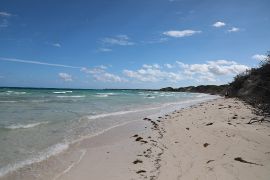
Cayo Coco is a picturesque island in the Jardines del Rey archipelago in northeastern Cuba. It is known for its white sandy beaches, turquoise water and beautiful nature. The island is connected to the mainland by a 27-kilometre causeway, so it can be reached both by road and by air through the international airport.
Cayo Coco has a fairly developed tourist infrastructure with many all-inclusive hotels, which makes it convenient for a beach holiday. Nature lovers may also enjoy the local wildlife: the island is home to many birds, including pink flamingos, as well as wild iguanas.
At the same time, expectations about the hotels should be realistic, because Cuba is a country with limited economic resources. Even at all-inclusive resorts, small inconveniences may occur: shortages of basic items such as toilet paper, a limited choice of dishes, average food quality, and sometimes large local insects entering rooms. However, the ocean, the beaches and the clean white sand more than compensate for these imperfections.
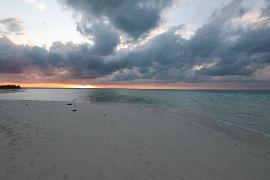
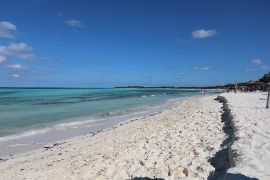
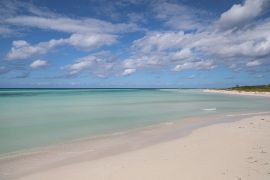
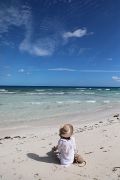
Cayo Coco is definitely a place I would like to return to. This part of Cuba is attractive because of its nature, open space and wild beaches. There is no dense hotel construction here, so it is possible to take long walks along the coast. You may see pelicans and even pink flamingos. The photos probably speak for themselves.
- Landscapes of Cayo Coco
-
-
-
-
-


Trinidad
Main article: Trinidad
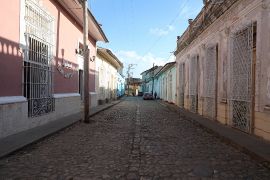
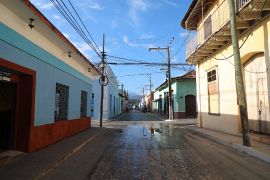
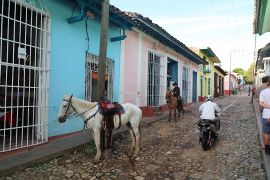
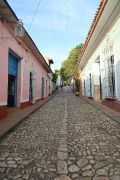
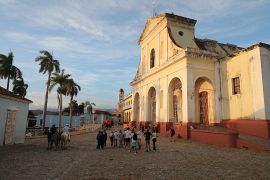
Trinidad is a colonial city founded in the early 16th century. It is known for its unique architecture, cobbled streets and atmosphere of the past. The city is included in the UNESCO World Heritage List thanks to its well-preserved Baroque buildings and charming central squares. Trinidad is also known for its culture, craft markets and proximity to beautiful beaches and natural attractions such as the Valley of the Sugar Mills and the waterfalls of Topes de Collantes National Park.
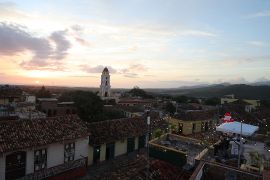
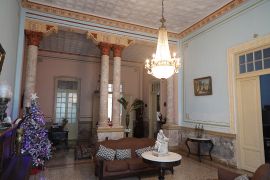
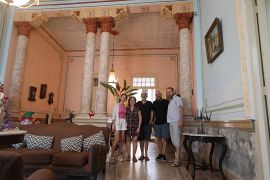
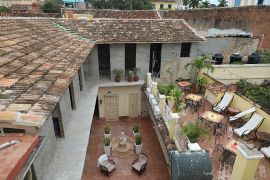
The road to the city took us more than four hours. We had booked a colonial guest house, Casa Colonial 1830, located just five minutes from the central square, and stayed there for two nights. The house had a wonderful terrace with a beautiful view over the city, and even the Caribbean Sea could be seen from it. The hosts were especially kind to us: Yosvaldo, his wife, his mother and her Catalan partner, who later told us the long story of the house, which was many decades old.
After arriving and resting for a while, we went for a walk through evening Trinidad. It was already dark, and at that moment we first encountered one of the realities of life in Cuba: regular power outages. As a result, our first walk through the city took place by the light of phone flashlights.
For dinner we planned to go to Doña Clara, but because of the power cut it was unfortunately closed. We decided to return there for lunch the next day. Despite the lack of electricity, some shops and cafes continued working thanks to generators. We checked all available options and eventually stopped at one of those places. Delicious lobsters for only eight dollars completely delighted us.
We planned a detailed walk around the city with a local guide for the following day. The guide showed us the city and told us about its history, its rise and decline, and the difficulties people face in the current conditions.
Trinidad left very positive impressions and a desire to return if there is ever such an opportunity. There was still a lot we did not manage to see, including the Caribbean coast and local beaches.
- Trinidad, Cuba
-
-
-
-
-
-


Trip to Vegas Grande Waterfall
Main article: Vegas Grande Waterfall
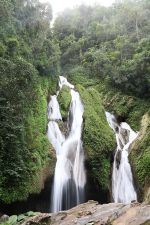
The next day we organized a trip to one of the most picturesque waterfalls near Trinidad, Vegas Grande. This waterfall, about 30 metres high, is located in Topes de Collantes National Park and is considered one of the most accessible waterfalls from the city.
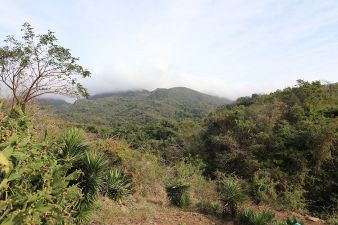
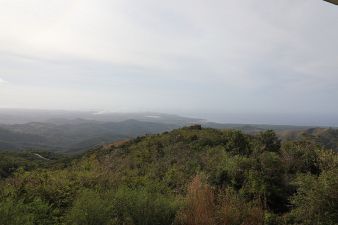
We found an old taxi, a Soviet Moskvitch, which struggled a little but confidently took us toward the waterfall. On the way we stopped at a viewpoint with a magnificent panoramic view of the green hills and valleys of the region.
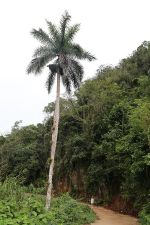
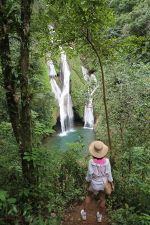
The drive to the beginning of the walking route took about 40 minutes. After that, we had to descend along a trail of about two kilometres. The path goes down the slope and can be quite slippery and wet at this time of year, so it is important to watch your step and be careful.
The reward at the end of the descent is Vegas Grande Waterfall itself, falling into a small emerald lagoon. The water is cool and refreshing, and the chance to swim right under the waterfall makes the moment especially pleasant after the descent. After recharging with energy, all that remains is to gather strength for the way back: the climb requires a little more effort, but the impressions are worth it.
It is worth noting that if you come to the waterfall in the morning, there is a good chance you will be there alone. By lunchtime, however, many more people arrive, and everyone wants to swim in the lagoon.
- Trip to Vegas Grande Waterfall, Cuba
-
-
-
-
-


For the evening dinner, which coincided with Catholic Christmas, the owners of the guest house invited us to celebrate together. An interesting detail was that many of the products for the festive table had been brought from Mexico a couple of months before the holiday, a reminder of the food shortages in Cuba. The dinner included typical Spanish dishes, as one of the hosts was Catalan. During the meal he told us the long history of the house and of his move to Cuba. The next day we said goodbye to the hosts, took final photos and left for Cienfuegos.
- Casa Colonial 1830
-

-
-
-


Cienfuegos
Main article: Cienfuegos
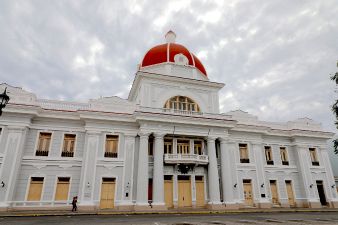
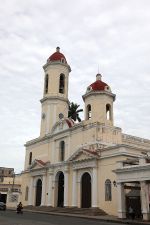
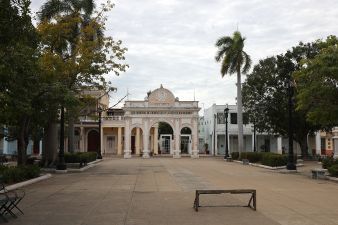
Cienfuegos is a city on the southern coast of Cuba, known as the “Pearl of the South”. Founded by French colonists in 1819, it is notable for its harmonious neoclassical architecture and its location on the Caribbean Sea. The central José Martí Square, surrounded by buildings such as the Tomás Terry Theatre and the Cathedral, is the heart of the city.
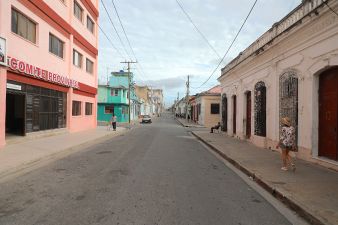
We came here for just two nights, and I think that is enough to walk around the city and see the main sights. To be honest, one full day is probably enough for this provincial city.
- Walking around Cienfuegos
-
-
-
-


Cienfuegos may seem like an unremarkable provincial city, but its surroundings hide several natural attractions worth visiting:
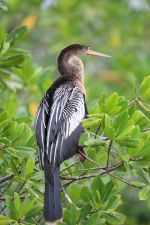
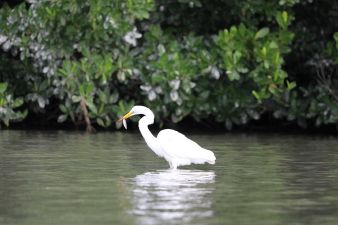
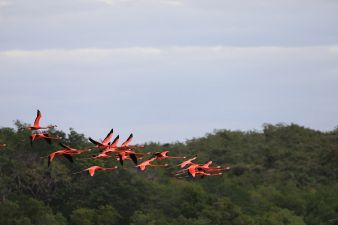
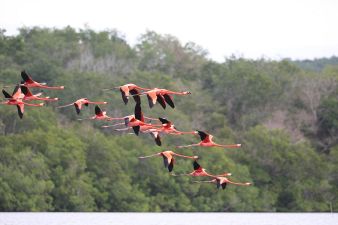
- Laguna Guanaroca Park is a picturesque lake only 15-20 minutes from the city. Here you can take a boat trip and watch flocks of flamingos, while mangrove forests around the lake create a distinctive ecosystem.
- Fauna of the local lake
-
-
-
-


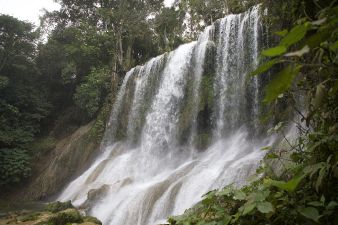
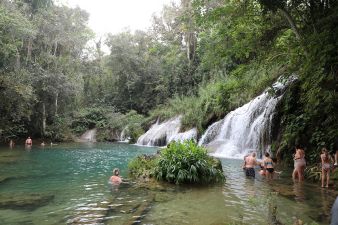
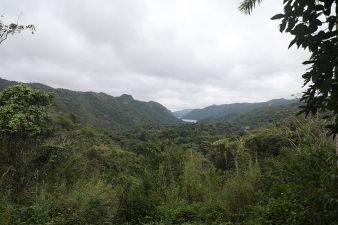
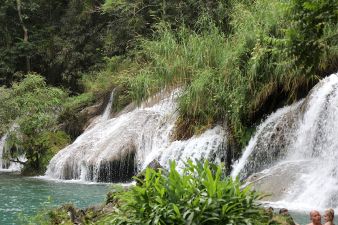
- El Nicho Waterfalls are a cascade of scenic waterfalls located about an hour's drive from Cienfuegos. They are not far from the road, so the route is manageable even for travellers without special preparation. The area has viewpoints with beautiful views of the Escambray Mountains.
- El Nicho Waterfalls
-
-
-
-


Viñales
Main article: Viñales

Viñales is a picturesque valley in western Cuba, located in Pinar del Río Province. It is known for its distinctive karst hills, called mogotes, green tobacco fields and rural atmosphere. The valley is included in the UNESCO World Heritage List because of its natural beauty and traditional tobacco-growing methods. Viñales attracts travellers with the opportunity to explore caves, ride horses and experience local culture. It is an ideal place for nature lovers and for a calm break away from city noise.
Havana
Main article: Havana
Havana is the capital and largest city of Cuba. Founded in 1519, it combines rich history, colonial architecture and traces of modern life. Old Havana, included in the UNESCO World Heritage List, is famous for its narrow streets, squares and landmarks such as the Capitol and the Cathedral.
Havana is known for the Malecón waterfront, atmospheric music clubs and vintage cars. It is a city where the past and the present are closely intertwined.
Despite its beauty and cultural richness, Havana also has disadvantages that may be noticeable to tourists. One of the main problems is the large number of beggars, especially in tourist areas. People often ask for money or insistently offer different goods and services, which can create discomfort.


Another unpleasant side of the city is dirt and rubbish in the streets. Although central areas are kept relatively clean, the situation can be worse in other places, which sometimes spoils the overall impression. Many buildings in Havana are in poor condition because of a lack of funding for restoration. This gives the city a special character, but it can also feel sad. Power outages, especially noticeable in residential areas, are another problem.
There is also a strong contrast between wealthy tourist zones and the poverty of local residents, which may create mixed feelings for travellers. Nevertheless, despite all these disadvantages, Havana remains a city with a unique charm, atmosphere and historical heritage that continue to attract thousands of people from around the world.
Varadero
Main article: Varadero

Varadero is a famous resort on the northern coast of Cuba, known for its white sandy beaches, clear turquoise water and developed tourist infrastructure. It is located on the narrow Hicacos Peninsula.
If I compare a beach holiday in Varadero with a similar holiday in Cayo Coco, I would probably choose Cayo Coco for a calmer nature-oriented stay. There is more open space, less feeling of dense construction, and it is easier to organize a long walk along kilometres of beaches where nature and solitude are felt more clearly.
Varadero, by contrast, feels like one long resort strip, almost continuously built up with hotels. This is convenient for those who value infrastructure, restaurants, transfers and the familiar “everything nearby” format. But if you want to get into a more natural environment, see a less developed coastline or simply move away from the hotel zone, you usually need to organize transport and plan the route in advance.
Conclusion
The trip across Cuba turned out to be very diverse in impressions. It included the resort beaches of Cayo Coco and Varadero, the colonial streets of Trinidad, provincial Cienfuegos, natural routes to waterfalls, walks through Havana and direct encounters with the everyday reality of the country: power outages, food shortages and the visible contrast between tourist areas and ordinary local life.
The main impression of Cuba is the combination of bright nature, a strong cultural atmosphere and complicated daily life. Here you can see beautiful beaches, old cities, mountain trails, vintage cars and live music, but at the same time you should be ready for imperfect infrastructure, everyday inconveniences and the need to organize many things independently.
If the goal of the trip is only a comfortable beach holiday, the route can be shortened and limited to one resort. But if you want to understand the country better, it is worth combining several places: Havana, Trinidad, Cienfuegos, natural parks and one of the beach regions. In this format Cuba reveals itself not as an ordinary vacation destination, but as a rich journey full of contrasts, surprises and vivid memories.