

Mayonnaise

Mayonnaise is a cold emulsified sauce based on vegetable oil, egg or egg yolk, acid and seasonings. It is used in salads, cold appetizers, sandwiches, sauces based on mayonnaise and some hot dishes. The main technological feature of mayonnaise is a stable emulsion: oil combines with the water-based ingredients and yolk into a thick, uniform mass.
In home cooking, mayonnaise is valued for its simplicity: with an immersion blender, the sauce can be made in a few minutes. Its flavour can be easily adjusted with mustard, garlic, herbs, lemon juice, paprika, yogurt or sour cream.
Features of the sauce
Classic mayonnaise is based on a combination of oil, egg yolk, acid, salt and a small amount of sugar. The yolk helps form the emulsion, the acid brightens the flavour and slightly stabilizes the sauce, while the oil determines its thickness and richness.
For homemade mayonnaise it is better to use neutral refined oil: sunflower, rapeseed, corn oil or a mixture of oils. Extra virgin olive oil can give a noticeable bitterness, especially when blended intensively, so it is usually added only partly rather than used as the only base.
Homemade mayonnaise has a shorter shelf life than store-bought mayonnaise. It contains no industrial stabilizers or preservatives, so it is better to prepare it in small portions and keep it refrigerated.
Ingredients
Basic ingredients for a small portion:
- vegetable oil — 200 ml;
- egg — 1 piece, or 1–2 yolks;
- mustard — 1 teaspoon;
- lemon juice or 6–9% table vinegar — 1 tablespoon;
- sugar — 1 teaspoon;
- salt — 1/4–1/2 teaspoon;
- black pepper — optional.
For a milder flavour and lighter consistency, finished mayonnaise can be thinned with plain yogurt, sour cream or kefir. Add these at the end, in small portions, so that the sauce does not become too runny.
Additional ingredients
Mayonnaise can also include:
- garlic;
- dill, parsley or green onion;
- ground paprika;
- grated cheese;
- unsweetened yogurt;
- sour cream;
- hot pepper;
- a little brine or marinade for a brighter flavour.
Safety
Homemade mayonnaise is often made with raw egg. To reduce risk, use fresh eggs from a reliable source, wash the shell thoroughly before cooking and keep the finished sauce only in the refrigerator. For children, pregnant women, older people and people with weakened immune systems, it is safer to use pasteurized eggs or prepare a sauce without raw egg.
Homemade mayonnaise should not be left at room temperature for long, especially if it has already been added to salads with meat, fish, eggs or potatoes.
Preparation method
- Prepare a tall, narrow cup for an immersion blender.
- Pour in the vegetable oil.
- Add the egg or yolks, mustard, salt, sugar and lemon juice or vinegar.
- Lower the immersion blender to the bottom of the cup so that the blade covers the egg.
- Turn on the blender and do not lift it for the first few seconds, until a thick pale emulsion begins to form at the bottom.
- Slowly raise the blender, incorporating all the oil.
- When the sauce becomes smooth and thick, taste it and add more salt, acid or spices if needed.
- If the mayonnaise is too thick, mix in a little yogurt, kefir, water or lemon juice.
If the sauce does not thicken, the most common reasons are moving the blender too quickly, using an unsuitable container shape or adding liquid too abruptly. Sometimes the emulsion can be restored: put a new yolk or a teaspoon of mustard in a clean cup and gradually blend in the failed sauce.
Variations
Different sauces can be made from basic mayonnaise:
- garlic mayonnaise — with minced garlic;
- green sauce — with dill, parsley and green onion;
- spicy mayonnaise — with chili pepper or hot paprika;
- yogurt mayonnaise — with plain yogurt added;
- cheese sauce — with grated hard cheese;
- salad sauce — a thinner version with lemon juice or kefir.
Use in dishes
Mayonnaise is used as a separate sauce, as a salad dressing and as a base for other cold sauces. It goes well with vegetables, eggs, poultry, fish, meat appetizers and sandwiches.
In hot dishes, mayonnaise is better used moderately: when heated, the emulsion may split and the flavour may become heavier. For baking, mixtures of mayonnaise with sour cream, yogurt, cheese or spices are sometimes used.
Storage
Homemade mayonnaise should be stored in a clean closed jar in the refrigerator. It is best used within 1–2 days, especially if it is made with raw egg. Sauce that changes smell, colour or taste, or begins to separate after storage, should not be used.
If mayonnaise has been added to a salad, the finished dish should also be kept in the refrigerator and not left on the table for long.
Preparation photos
- Making mayonnaise at home
-
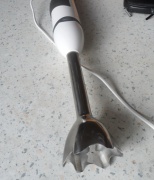 Preparing the immersion blender
 -
 Vegetable oil in the container
 -
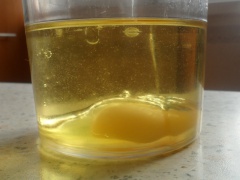 Adding the egg
 -
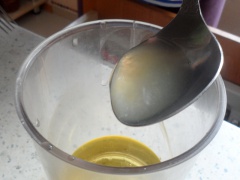 Adding acid
 -
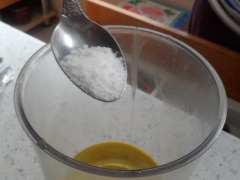 Adding sugar
 -
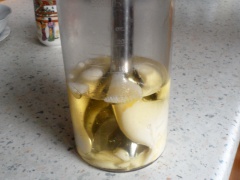 Blending the sauce
 -
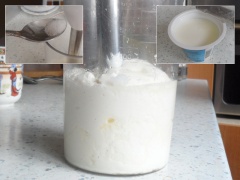 Adding salt and yogurt
 -
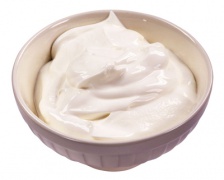 Finished homemade mayonnaise


Author's note
Homemade mayonnaise is best prepared in small portions: this keeps the sauce fresh and makes it possible to adjust the flavour for a specific dish each time. Your own preparation methods, additions and notes can be left on the talk page.